


Big Truck & Heavy-Duty Diesel Service Near Rochester, NY
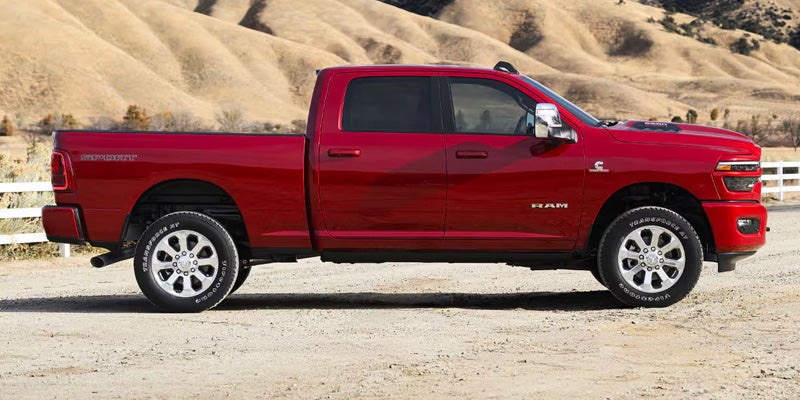
Heavy-duty trucks are built to handle demanding workloads, but towing, hauling, and extended operation put additional stress on the systems responsible for delivering power and controlling the vehicle. Dansville CDJR helps truck owners maintain these systems and address problems that can affect performance under load.
Schedule ServiceHeavy-Duty Truck Maintenance Starts With Understanding the Workload
A truck used to tow equipment every day experiences different operating conditions than one driven primarily on highways. Repeated acceleration under load, extended periods of idling, low-speed operation, and frequent stops can all affect maintenance needs.
A truck that regularly pulls a heavy trailer may experience increased transmission heat, additional brake wear, and greater stress on its cooling system. A diesel pickup used for short trips or extended idling may also experience different exhaust aftertreatment conditions than one that regularly operates at highway speeds.
Mileage alone does not always tell the full story. Engine hours, load weight, operating temperatures, and driving patterns can all help determine what needs attention.

Diesel Engine Diagnostics and Fuel System Service
Modern diesel engines depend on precise fuel delivery, air management, and electronic controls to produce the torque needed for heavy workloads. When one part of that system is not operating correctly, the effects can include reduced power, poor fuel economy, hard starting, rough idling, or excessive exhaust smoke.
Fuel system concerns can involve restricted fuel filters, contaminated fuel, injector performance, or problems maintaining the required fuel pressure. On common-rail diesel engines, fuel pressure and injector operation are closely monitored by the engine control system. Diagnosing a performance issue may require evaluating fuel pressure readings, sensor data, and other engine operating parameters rather than simply replacing individual components.
Turbocharger and intake system problems can also affect performance. A boost leak, restricted intake, malfunctioning turbo actuator, or charge-air cooler issue may prevent the engine from producing expected power under load. Drivers may notice sluggish acceleration, reduced towing performance, or an engine warning light.
Diesel Exhaust and Emissions System Diagnostics
Diesel exhaust aftertreatment systems are an important part of modern heavy-duty truck operation. Depending on the engine and model year, these systems may include a diesel oxidation catalyst (DOC), diesel particulate filter (DPF), selective catalytic reduction (SCR), DEF delivery components, and NOx sensors.
The DPF captures soot from the exhaust and periodically burns accumulated material through a process called regeneration. Certain driving patterns, including repeated short trips and extended idling, can interfere with normal regeneration conditions. If soot accumulation becomes excessive or the system detects a fault, the truck may display warning messages or enter a reduced-power operating mode.
Other problems can involve DEF quality, dosing system operation, exhaust temperature sensors, differential pressure sensors, or SCR performance. These systems work together, so an emissions warning should be diagnosed using the appropriate vehicle data rather than assuming the DPF itself is the problem.

Transmission and Drivetrain Service Under Load
Towing places substantial demands on a heavy-duty truck's transmission. Repeated shifts under heavy load, steep grades, and sustained towing can increase operating temperatures. Transmission fluid condition and cooling system performance are particularly important because excessive heat can contribute to fluid degradation and internal component wear.
Drivers should pay attention to delayed engagement, slipping, harsh or inconsistent shifting, and transmission temperature warnings. These symptoms can have several causes, including fluid concerns, electronic controls, cooling problems, or internal transmission wear.
The rest of the drivetrain also deserves attention. Driveshafts, universal joints, differentials, transfer cases, and axle components all contribute to power delivery. Wear in these areas can produce vibration, clunking during acceleration, humming or whining noises, and changes in how the truck responds when turning or shifting between drive modes.
Cooling System Performance During Heavy-Duty Operation
A cooling system that performs adequately during everyday driving may face much greater demands when a truck is towing or carrying a heavy payload. Sustained engine load increases heat production, while high ambient temperatures, slow speeds, and extended climbs can make heat management more difficult.
A thorough inspection may include radiator condition, coolant concentration, pressure testing, thermostat operation, water pump performance, cooling fan operation, and hose connections. On turbocharged diesel engines, the charge-air cooler also plays an important role in managing intake air temperatures.
Overheating should never be treated as a minor inconvenience. Coolant loss, restricted radiator airflow, a failing water pump, or a malfunctioning fan can lead to excessive engine temperatures and potentially serious damage.
Schedule Heavy-Duty Truck Service Near Rochester, NY
When your truck is responsible for towing equipment, transporting materials, or supporting your business, keeping its major systems in working condition is essential. Diesel engine performance, transmission operation, exhaust aftertreatment, cooling, brakes, and drivetrain components all contribute to dependable heavy-duty operation.
Dansville CDJR helps truck owners address maintenance needs and investigate performance concerns before they develop into larger problems. Contact our service department to discuss your truck's maintenance requirements or schedule an appointment.
Schedule ServiceHeavy-Duty Truck Service FAQs
What maintenance does a heavy-duty diesel truck need?
Maintenance can include engine oil and filter changes, fuel filter replacement, transmission and differential service, cooling system inspections, brake maintenance, and checks of diesel emissions components. The schedule depends on the truck's model, engine, mileage, and operating conditions.
Why does towing put additional stress on a truck's transmission?
Towing increases the load placed on the transmission, particularly during acceleration, climbing, and repeated gear changes. These conditions can increase operating temperatures and contribute to fluid degradation over time. Following the manufacturer's towing and maintenance recommendations helps protect the transmission.
What causes a diesel particulate filter warning?
A DPF warning can indicate excessive soot accumulation, an interrupted or unsuccessful regeneration, or a problem with a related sensor or emissions component. The cause should be diagnosed before replacing parts or attempting to clear the warning.
What are signs of a diesel fuel system problem?
Hard starting, rough idling, reduced engine power, poor fuel economy, and excessive exhaust smoke can indicate fuel delivery or injector concerns. Diagnostic testing can help identify whether the issue involves fuel pressure, filtration, injectors, or another engine system.
How often should a heavy-duty truck be serviced?
Service intervals vary by model year, engine, mileage, and operating conditions. Trucks that regularly tow, haul, idle for extended periods, or operate in demanding environments may need maintenance more frequently than trucks used for lighter driving. Refer to the manufacturer's maintenance schedule for your specific vehicle.