




Understanding the pros and cons of diesel vs. gas trucks can help you compare your options and determine which powertrain makes the most sense for your needs.
Understanding Diesel and Gas Truck Engines
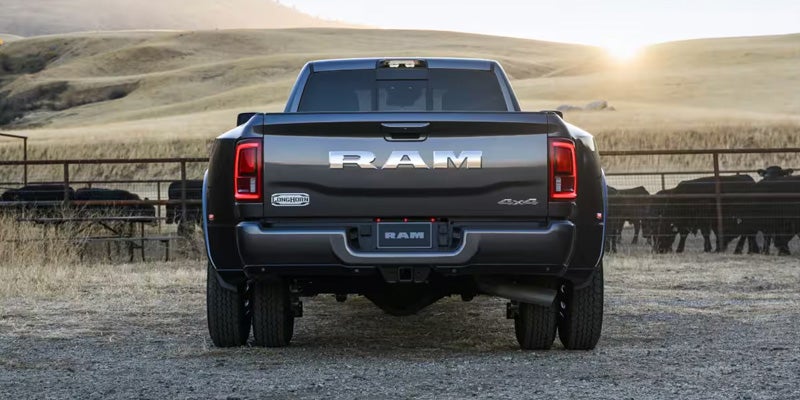
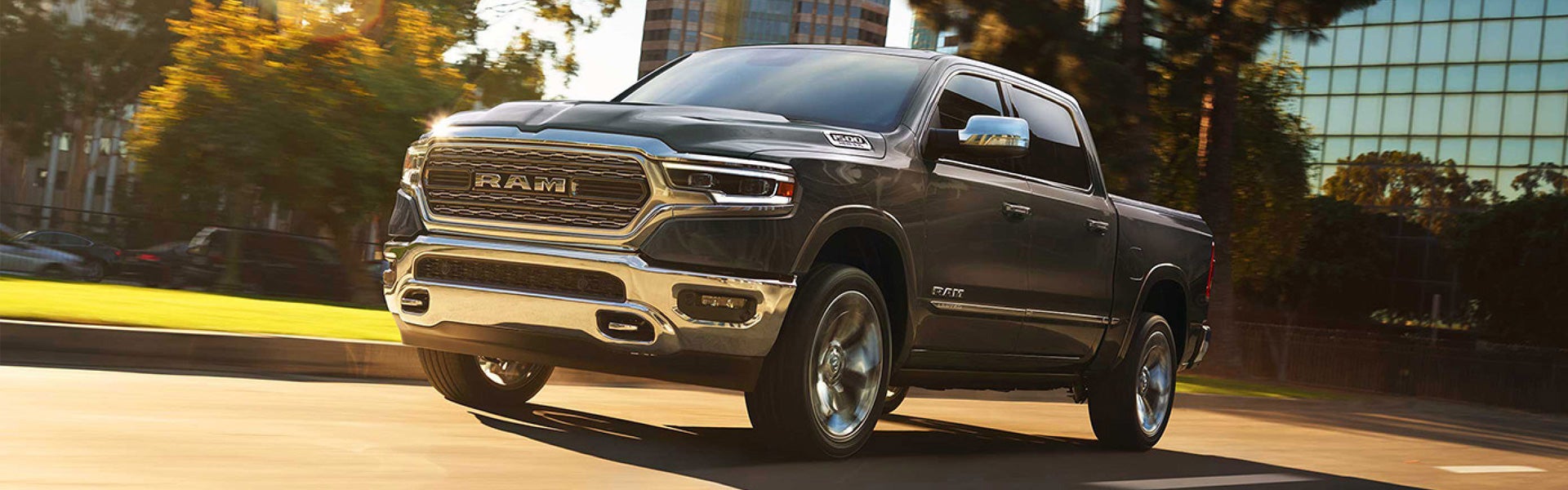
The primary difference between diesel and gas trucks is how their engines generate power. Gas engines use spark plugs to ignite an air-fuel mixture, while diesel engines use compressed air to ignite fuel.These differences influence how each engine delivers power, handles heavy loads, and performs over time. For example, the RAM 1500 offers gas engine options, while the RAM 2500 and RAM 3500 offer available diesel powertrains for drivers who need additional towing and hauling capability.
Diesel Truck Pros and Cons
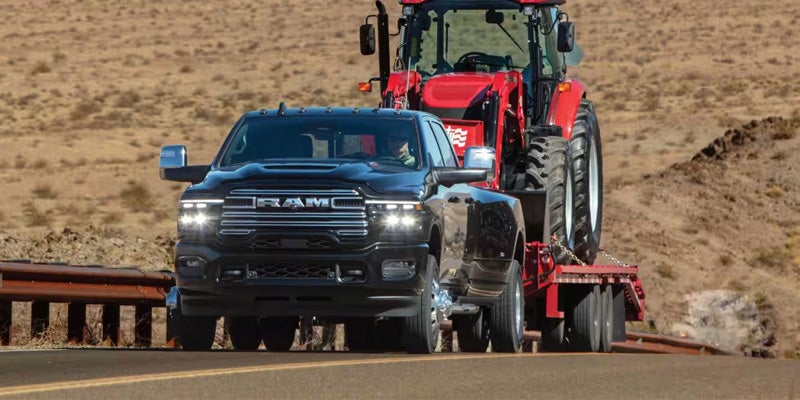
Diesel trucks are commonly associated with towing performance, low-end torque, and fuel efficiency. For drivers who regularly haul equipment, tow trailers, or put significant miles on their trucks, these characteristics may be worth considering. Heavy-duty models like the RAM 2500 and RAM 3500 offer available Cummins Turbo Diesel engines for demanding workloads.Some potential advantages include:
- Higher torque: Diesel engines generally produce more low-end torque, which can be beneficial when pulling heavy trailers or hauling substantial loads.
- Fuel efficiency: Diesel engines can deliver better fuel economy than comparable gas engines, particularly during highway driving and extended towing.
- Heavy-duty performance: Diesel powertrains are commonly available in trucks designed for demanding towing and hauling applications.
- Engine longevity: Diesel engines are often built to handle heavy workloads and can provide a long service life with consistent maintenance.
There are also a few factors to weigh before choosing diesel:
- Higher purchase price: Diesel-equipped trucks typically cost more upfront than comparable gas models.
- Maintenance expenses: Specialized components, fluid requirements, and service needs can make diesel maintenance more expensive.
- Fuel costs: Diesel prices fluctuate and may be higher than gasoline depending on the market.
- Emissions systems: Modern diesel trucks use emissions equipment that requires proper maintenance and can add to potential repair costs.
Gas Truck Pros and Cons
Gas trucks may appeal to drivers who primarily use their vehicles for commuting, everyday tasks, and occasional towing. The RAM 1500, for example, offers gas engine options suited to a range of driving and hauling needs.
Potential advantages include:
- Lower upfront cost: Gas-powered trucks generally cost less to purchase than comparable diesel models, which may be important for buyers working within a specific budget.
- Routine maintenance: Common maintenance services are often less expensive for gas engines.
- Fuel availability: Gasoline is widely available, making refueling convenient for daily driving and longer trips.
- Everyday versatility: Gas engines can be a practical option for drivers who use their trucks for commuting, errands, and lighter hauling.
Some potential drawbacks to consider include:
- Lower low-end torque: Gas engines generally produce less low-end torque than comparable diesel engines, which may matter when towing heavier loads.
- Fuel economy: Gas trucks typically use more fuel than comparable diesel models, particularly during heavy towing.
- Heavy-duty applications: Drivers who regularly tow substantial weight may want to compare the torque and towing capabilities of available diesel options.
Diesel vs. Gas: Which Should You Choose?
Your typical truck use, budget, and towing needs can help narrow down the right engine choice.For drivers who regularly tow heavy trailers, haul equipment, or travel long distances, a diesel engine may offer advantages worth the additional purchase and maintenance costs. The available Cummins Turbo Diesel options in the RAM 2500 and RAM 3500 are worth comparing if higher torque and heavy-duty towing are important considerations.
On the other hand, a gas-powered RAM may make more sense for drivers who primarily commute, run errands, or tow occasionally. The lower upfront cost and potentially less expensive routine maintenance can make gas trucks appealing for everyday ownership.
Before deciding, compare the specifications of individual trucks, including towing capacity, payload ratings, fuel economy, and available engine configurations. These details vary by model, configuration, and model year, so evaluating specific options is an important part of the process.
Compare RAM Trucks at Dansville CDJR
Whether towing capability, everyday versatility, or ownership costs are your top priorities, Dansville CDJR in Dansville, NY, can help you compare available RAM truck options.Explore the RAM 1500, RAM 2500, and RAM 3500 to review available engine configurations, towing capabilities, and features. Visit Dansville CDJR to browse new truck inventory and find a RAM that fits your needs.